Wondering whether staging is really worth it for a high-end home in Farmington? If you are preparing to sell a property with distinctive architecture, generous living spaces, or luxury finishes, presentation can shape how buyers respond before they ever step through the door. The right staging strategy helps your home photograph beautifully, feel intentional in person, and connect with buyers who expect a polished experience. Let’s dive in.
Why staging matters in Farmington
Farmington has a distinctive housing character, with historic districts, careful land-use planning, and many well-preserved older homes alongside upscale residential neighborhoods. In a market like this, high-end buyers often respond best to homes that feel move-in ready while still respecting the property’s original style and architecture.
That is one reason staging matters so much here. It is not about making your home look generic. It is about helping buyers understand the scale, flow, and lifestyle the home offers, while keeping the presentation aligned with the home itself.
National staging data supports that approach. According to the National Association of Realtors’ 2025 Profile of Home Staging, 83% of buyers’ agents said staging made it easier for buyers to visualize a home as their future home, 49% of sellers’ agents said staging reduced time on market, and 29% said staging increased the dollar value offered by 1% to 10%.
Start with the digital first impression
Before buyers schedule a showing, they usually meet your home online. Zillow’s 2025 buyer research found that 68% of prospective buyers viewed for-sale homes on a real estate website, and the listing features they valued most included floor plans, high-resolution photos, and 3D or virtual tours.
For a high-end Farmington listing, that means staging should begin before photography is scheduled. Every room, surface, and sightline needs to support the story you want buyers to see in photos and video, not just during an in-person visit.
Professional photography is especially important in this price range. NAR found that photos, physical staging, videos, and virtual tours all matter to buyers and sellers, with photos ranking especially high. In other words, staging and photography work best when they are planned together.
Focus first on curb appeal
Your exterior sets expectations for everything that follows. In Farmington, where many homes offer strong architectural character and landscaped settings, the front approach should feel clean, welcoming, and well cared for.
NAR’s staging research identifies curb appeal as one of the most common seller recommendations. For high-end homes, that includes the walkway, front entry, porch, landscaping, driveway view, and garage elevation. These details matter both online and in person because they shape the first impression quickly.
Photo timing matters too. Realtor.com’s photography guidance notes that exterior shots should be taken in the home’s best light, with timing adjusted to the home’s orientation. Golden hour can be especially flattering for exteriors and outdoor spaces, which is why planning the shoot carefully is just as important as tidying the front beds or refreshing the entry.
Stage the rooms buyers notice most
You do not need to stage every room at the same level. If you want the best return on your effort, start with the spaces that have the strongest influence on buyers.
According to NAR’s 2025 report, the most important rooms to stage are:
- Living room
- Primary bedroom
- Kitchen
- Dining room
These rooms usually carry the emotional weight of the home. They help buyers picture daily living, entertaining, and comfort, which is especially important in larger homes where layout and scale need to feel clear rather than overwhelming.
Living room
The living room is the top priority. Buyers’ agents rated it as the most important room to stage, which makes sense because it often sets the tone for the whole home.
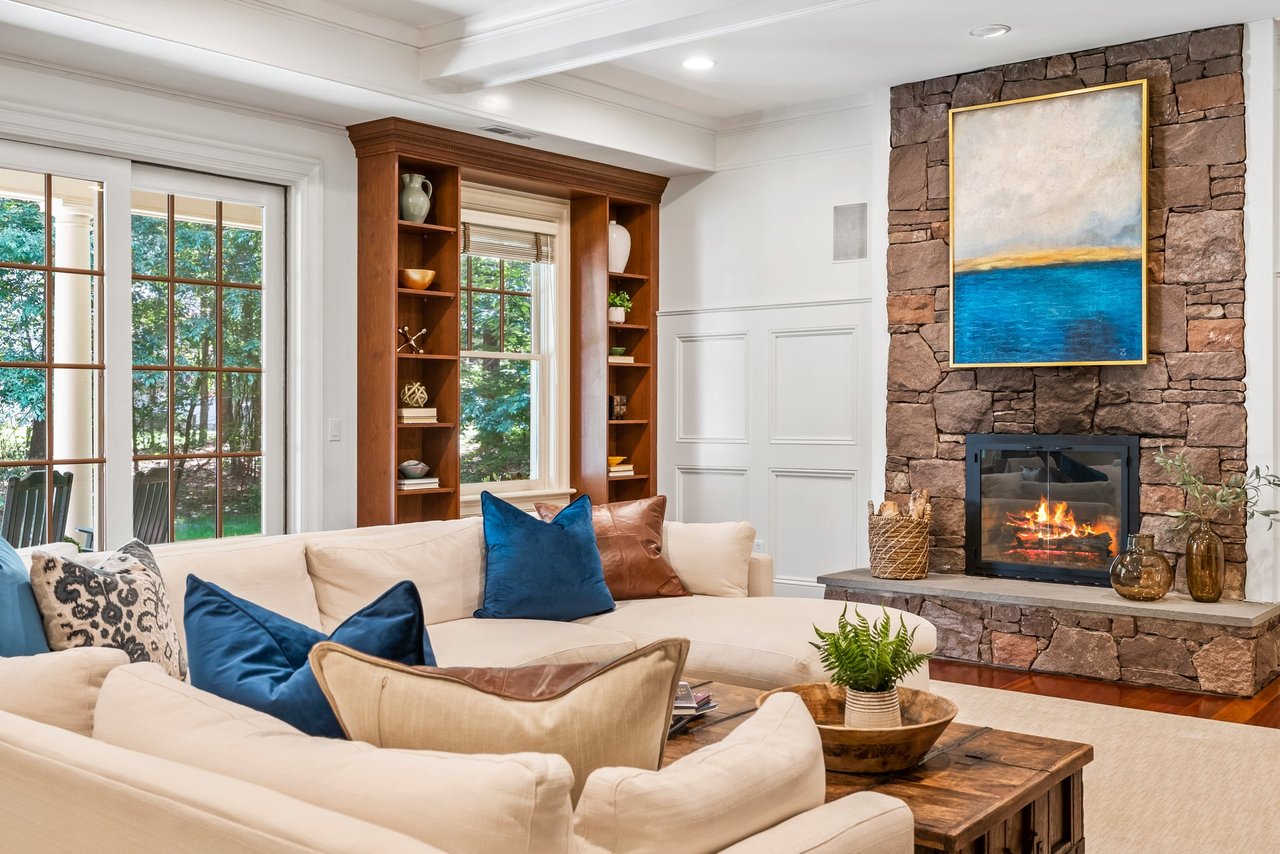
For a high-end Farmington property, the goal is usually to simplify the layout so the room feels open and balanced. Edit down extra furniture, create easy traffic flow, and let architectural details such as windows, millwork, fireplaces, or ceiling height take center stage.
Primary bedroom
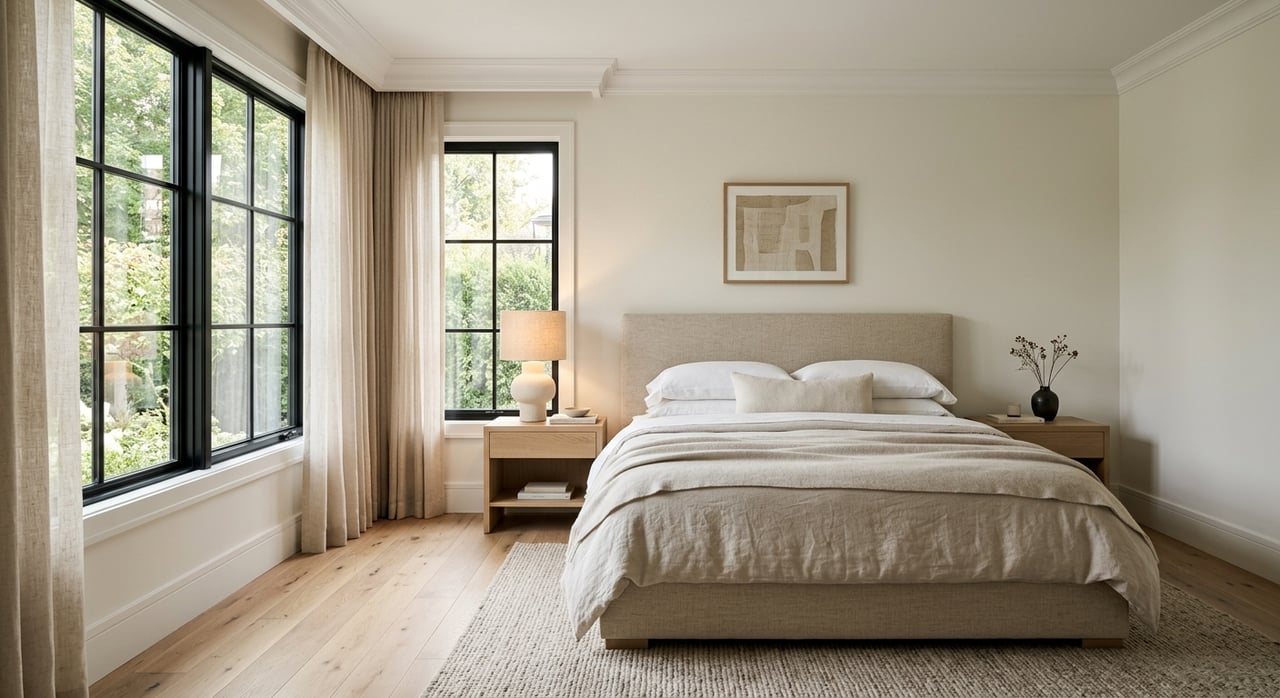
The primary bedroom should feel calm, spacious, and restful. Too much furniture, heavy décor, or overly personal styling can make even a large room feel smaller and less refined.
A simple bed arrangement, clean lines, and soft, neutral bedding usually photograph well. This is also a space where lighting matters a great deal, both in person and in listing photos.
Kitchen
In the kitchen, clean surfaces do a lot of heavy lifting. Buyers want to see workspace, storage, light, and overall condition without distraction.
NAR’s staging guidance highlights the value of letting natural light shine, using neutral colors, and streamlining décor. In practical terms, that often means clearing counters, minimizing small appliances, and making sure the kitchen reads as bright, functional, and current.
Dining room
The dining room helps define how the home lives. It can reinforce a sense of occasion, especially in high-end homes where entertaining may be part of the appeal.
Realtor.com’s staging guidance emphasizes keeping the dining area obvious in both photos and showings. If the room’s purpose is not clear, buyers may miss part of the home’s value.
Do not overlook secondary spaces
Some of the most helpful rooms in a luxury listing are not the headline spaces. Bathrooms, home offices, and outdoor areas may be staged less often, but they still shape how buyers interpret the home.
NAR reports that bathrooms were staged by 47% of sellers’ agents, home offices by 36%, and outdoor or yard spaces by 31%. In a premium Farmington home, these areas can support the larger story of comfort, flexibility, and everyday function.
Bathrooms
Bathrooms should feel bright, fresh, and uncluttered. Clear counters, coordinated towels, and a clean, simple look can make the space feel more polished without overdoing it.
Home office
If your home includes an office, stage it to show purpose. Many buyers still value work-from-home flexibility, and a clearly defined office can help them understand how the home supports that need.
Outdoor spaces
Patios, decks, and yard areas deserve careful attention, especially when they extend the home’s living and entertaining space. Even a simple seating arrangement can help buyers read the scale and potential of the area more easily.
Keep the style neutral, not bland
Luxury staging works best when it feels tailored to the home. In Farmington, that may mean respecting traditional architecture, highlighting natural light, or letting craftsmanship stand out instead of covering it with trend-heavy décor.
NAR’s guidance recommends neutral wall colors, streamlined décor, open space, and room layouts that show versatility. The goal is not to strip away character. The goal is to remove distractions so buyers notice the home itself.
That is especially important in properties with historic influence or strong architectural details. A thoughtful, restrained look often does more for perceived quality than filling the home with decorative pieces.
Decluttering is the baseline, not the full strategy
Many sellers ask whether decluttering is enough. It is essential, but for a high-end home, it is usually just the starting point.
NAR found that common prep recommendations include decluttering, whole-home cleaning, and improving curb appeal. Those steps create a clean foundation, but staging adds something more. It helps each room make sense, feel intentional, and show its best scale in person and on camera.
A practical pre-listing checklist often includes:
- Remove excess furniture
- Clear countertops and open surfaces
- Deep clean the entire home
- Minimize personal items
- Refresh the front entry and landscaping
- Open curtains and blinds for light
- Define each room’s purpose clearly
Match staging to photography and video
Staging should never be treated as separate from marketing. In the luxury space, the strongest listings are usually planned as a full presentation, where the home is staged for photography, video, floor plans, and tours all at once.
Realtor.com’s photography guidance recommends preparing the home before the shoot, opening curtains and blinds, and choosing the best time of day for each exposure. Their lighting guidance also notes that lighting can materially change how a home shows, which is why an experienced photographer can make a meaningful difference.
This is one area where coordination matters. A well-staged room can still fall flat if the lighting is poor, and a beautiful home can feel underwhelming online if the photo timing is off. For that reason, premium presentation is usually about the plan, not just the décor.
How to think about staging costs
Staging does not have to mean a full redesign of your home. NAR’s 2025 staging report found that among sellers’ agents who used a staging service, the median spend was $1,500, and the top decision factors were quality of design and price. The median number of bids received was two.
That supports a smart approach for Farmington sellers. Compare a couple of stagers, look closely at design quality, and choose a service scope that fits your home’s needs. Some properties need only consultation and edits, while others benefit from more hands-on styling or added pieces in key rooms.
For higher-end listings, the question is usually not just cost. It is whether the staging plan helps the home compete at the level buyers expect.
Use virtual staging carefully
Virtual staging can be useful in the right situation, especially if a room is vacant and buyers need help understanding its scale or function. But it should always be handled transparently.
NAR’s guidance stresses that virtual staging should not mislead buyers about condition, scale, or features. It should clarify a space, not create a false impression. If it is used, the marketing should present a true picture of the property.
A smart Farmington staging plan
If you are preparing a high-end home for sale, a focused plan usually works better than trying to perfect everything at once. Start with what buyers will notice first, then build from there.
A strong staging strategy often looks like this:
- Improve curb appeal and the front entry.
- Declutter and deep clean the entire home.
- Prioritize the living room, primary bedroom, kitchen, and dining room.
- Refine bathrooms, office space, and outdoor areas.
- Coordinate staging with professional photography and video.
- Use virtual staging only when it adds clarity and stays honest.
In Farmington, where presentation, architecture, and local expectations all matter, staging is not about making a home look trendy. It is about helping buyers see quality, comfort, and value from the first photo to the final showing.
If you are getting ready to sell and want a plan that feels clear, thoughtful, and well-coordinated, Christy Muller can help you prepare your home with the level of care, local insight, and presentation strategy today’s Farmington buyers expect.
FAQs
Which rooms should you stage first in a high-end Farmington home?
- Start with the living room, primary bedroom, kitchen, and dining room, since NAR’s 2025 staging research shows these rooms have the strongest impact.
Is decluttering enough before listing a luxury home in Farmington?
- Usually not. Decluttering and deep cleaning are the baseline, but staging, curb appeal, and polished visual presentation often help the home show more clearly online and in person.
Can staging help a Farmington home sell for more?
- There is no guarantee, but NAR’s 2025 report found that 29% of sellers’ agents said staging increased the dollar value offered by 1% to 10%.
Should you stage every room in a Farmington luxury listing?
- Not necessarily. Most sellers get the best return by focusing first on the main living spaces, then improving bathrooms, offices, and outdoor areas as needed.
Is virtual staging okay for a Farmington home listing?
- Yes, if it is used to clarify a vacant or hard-to-read space and does not misrepresent the home’s condition, size, or features.