If you are wondering whether Farmington feels more like a quiet suburb, a historic New England town, or a place with easy day-to-day convenience, the short answer is yes. Living here often means getting a little of each, which is a big part of the town’s appeal. Whether you are planning a move, comparing Hartford-area communities, or thinking about your next home within the Farmington Valley, this guide will help you picture what daily life in Farmington, CT really feels like. Let’s dive in.
Farmington at a Glance
Farmington is a 28.7-square-mile town in the Hartford metro area with deep roots and a clearly defined identity. The town was incorporated in 1645 and is known as the “Mother Town,” with historic districts and long-term land-use planning helping preserve its character.
It also offers the scale many buyers look for in a suburban setting. The latest Connecticut town profile estimates 26,623 residents and 11,027 households, which gives Farmington a settled, established feel without feeling oversized.
For many people, that balance is the headline. Farmington feels residential and grounded, but it is not sleepy or isolated.
Daily Life in Farmington
Daily life in Farmington tends to feel organized, comfortable, and spread across several activity areas rather than centered in one dense downtown. You are likely to run errands, grab coffee, visit the library, and head to dinner in different parts of town depending on your routine.
The town’s official shop and dining guides point to a broad mix of local boutiques, groceries, farm stands, coffee shops, restaurants, and Westfarms Mall-area dining. That creates a more node-based lifestyle, where convenience comes from having several useful pockets around town.
In practical terms, Farmington often works well for people who want space and ease. You can build a routine that feels local without needing an urban pace.
A Town With Several Distinct Settings
One of the most important things to know about Farmington is that it does not feel the same everywhere. Official town materials and historic district information suggest a collection of smaller environments, including a historic village core, a village-center area in Unionville, trail- and river-adjacent pockets, and broader suburban residential streets.
That matters when you are deciding where you want to live. Some areas may feel more rooted in historic character, while others feel more classically suburban with a quieter residential rhythm.
If you are home shopping, this is where local guidance becomes especially helpful. Farmington is one town, but your day-to-day experience can vary depending on which part of town fits your lifestyle best.
Historic Character Still Shapes the Town
Farmington’s history is not just something you read about. It is part of the town’s everyday backdrop.
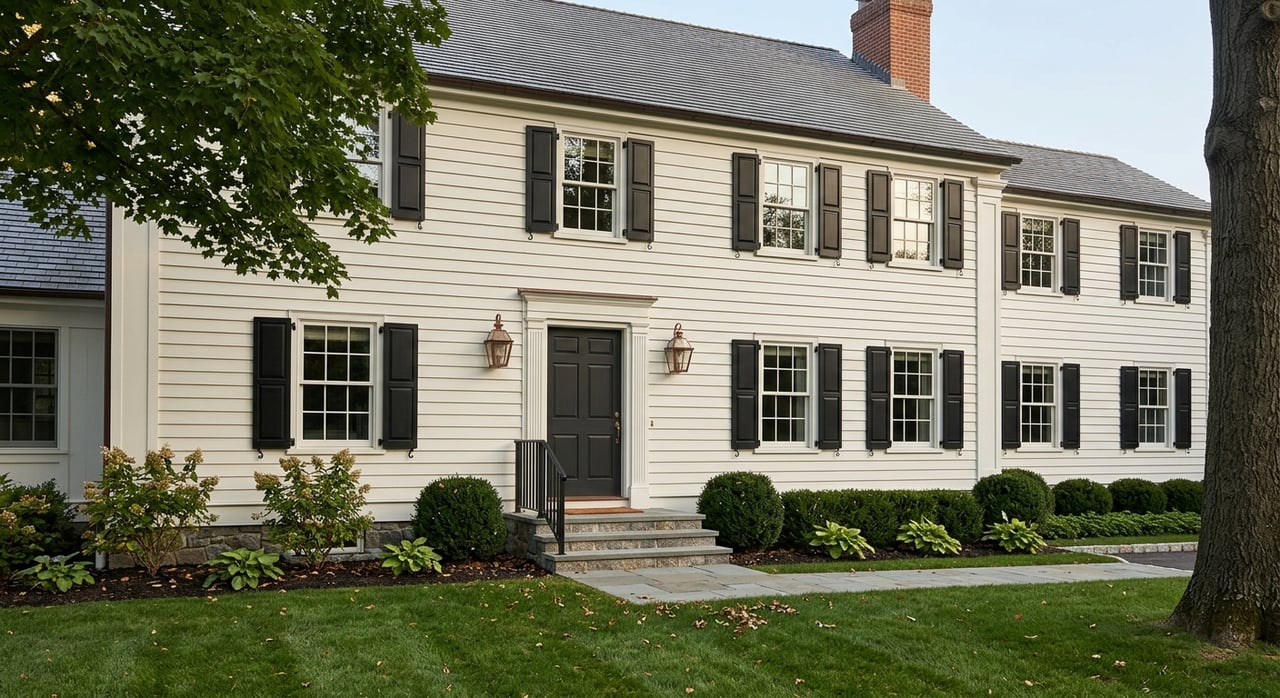
The Farmington Village Historic District was established in 1964, and the Unionville Historic District followed in 2008. The town also offers official historic walks that highlight places like Unionville’s Historic Center, Unionville’s industrial Power Walk, Farmington’s 19th-century walk, and colonial routes.
For residents, that often translates into a sense of continuity and place. Farmington feels like a town that has grown carefully rather than quickly.
Outdoor Living Is a Big Part of Life Here
If being outside is part of how you like to spend your free time, Farmington has a lot going for it. The town’s trail system is a major feature of local life, not just an occasional amenity.
The Farmington Valley Multi-Use Trails form a scenic, paved, handicap-accessible network for walking, jogging, inline skating, and biking. The system also connects to both the Farmington Canal Heritage Trail and the Farmington River Trail, which adds even more flexibility for recreation.
The Farmington River adds another layer. According to the town, residents have access to boating and kayaking spots, fishing, tubing, swimming, hiking trails, bird-watching areas, and historical landmarks along the water.
That variety helps make outdoor time feel easy to fit into normal life. You do not need a full-day plan to enjoy nature here.
Local Spots That Add Personality
Some outdoor places feel especially local in character. Shade Swamp Sanctuary is an 800-acre state sanctuary with both level and hilly nature trails, while Suburban Park in Unionville is a 20.5-acre historic landmark with two miles of walking trails and ties to the area’s amusement-park history.
Hill-Stead Museum adds to that culture-and-outdoors blend. The town describes it as a National Historic Landmark on 152 acres of fields and woodlands, giving residents another place where landscape and local history meet.
Getting Around Farmington
For many buyers, commute and regional access are a major part of the decision. Farmington’s average commute time is 23 minutes, according to the Connecticut town profile, which fits its role as a Hartford-area suburb with access to jobs across the region.
The town also has a meaningful employment base of its own. The profile lists 3,123 active businesses and 32,415 jobs, with major employers including UConn Health Center, Otis Elevator, ConnectiCare, Trumpf, and The Jackson Laboratory for Genomic Medicine.
That can make Farmington appealing whether you work in town, commute toward Hartford, or need flexibility in different directions.
Public Transit Options
If you use transit or want it as a backup option, CTtransit is the main public system referenced in the town’s transportation materials. Route 66 service connects key points tied to Farmington Avenue, UConn Health, Unionville, and Hartford.
CTtransit also offers 66X express service between Farmington or Unionville and Hartford during peak commuting hours. Selected trips also include the Town Farm Road Park & Ride stop.
In addition, the town highlights Dial-A-Ride transportation for senior and disabled residents in Farmington and Unionville. That service adds another layer of local support for residents who want to remain connected to daily needs and appointments.
Community Services and Everyday Convenience
Farmington tends to appeal to people who want a town with practical infrastructure already in place. That includes libraries, community spaces, public services, and everyday shopping spread across different parts of town.
The town has two active library locations: Farmington Library on Monteith Drive and Barney Library on Main Street. Rather than serving as one central stop, these branches function as community anchors in different parts of town.
Farmington also maintains a community center and senior services, which support a wide range of residents and life stages. For many people, that adds to the feeling that Farmington is designed for staying power, not just short-term convenience.
What Housing Looks Like in Farmington
Farmington’s housing profile reflects an established owner-occupied community. The Connecticut town profile reports 11,730 housing units, with owner-occupied housing making up roughly three-quarters of the housing stock.
The same profile lists a median home value of $375,700 and a median rent of $1,654. Those numbers help frame the market at a broad level, though your actual options will vary significantly by location, property type, condition, and setting within town.
Because Farmington includes several distinct environments, your housing search may involve trade-offs. You may be choosing between historic character, proximity to trails or river access, village-style surroundings, or more traditional suburban streets.
Farmington for Different Life Stages
One reason Farmington draws lasting interest is that it can support different phases of life. The town offers resources that can work for households looking for space, professionals seeking commute access, and older adults who want local services close by.
For downsizers, Maple Village in Unionville is a notable town-owned housing option. It is a state-subsidized elderly apartment complex with 40 one-level units, a community room, a garden area, and walkable access to pharmacies, banks, groceries, the post office, and several restaurants.
That kind of housing option says something meaningful about the town as a whole. Farmington supports not just moving in, but staying local over time.
Public Schools in Farmington
For buyers who want to understand the local school system, Farmington Public Schools includes Farmington High School, Irving A. Robbins Middle School, West Woods Upper Elementary School, East Farms Elementary School, Noah Wallace Elementary School, Union Elementary School, West District Elementary School, and a collaborative preschool.
The Connecticut town profile reports a 98% four-year graduation rate for the district in 2021-22, compared with 89% statewide. If schools are part of your home search, it is helpful to review the district structure and school assignments as part of your decision-making process.
Why Buyers Often Look Closely at Farmington
Farmington often stands out for buyers who want more than one thing from a town. It offers regional access, established neighborhoods, outdoor recreation, historic character, and a broad range of everyday conveniences.
Just as important, it does not feel one-note. Some buyers are drawn to village character, some want access to trails and open space, and others prioritize commute patterns or day-to-day ease.
That is why experiencing the town block by block matters. On paper, Farmington has strong fundamentals. In person, the real question is which part of Farmington feels most like home to you.
If you are thinking about buying or selling in Farmington, working with someone who knows the town’s smaller pockets can make the process much clearer. Christy Muller brings a calm, detail-driven approach and deep local knowledge to help you move with confidence.
FAQs
What is the overall feel of living in Farmington, CT?
- Farmington generally feels like an established Hartford-area suburb with historic character, residential neighborhoods, multiple shopping and dining areas, and strong access to outdoor recreation.
What is commuting like from Farmington, CT?
- The Connecticut town profile lists an average commute time of 23 minutes, and local transit options include CTtransit Route 66, 66X express service to Hartford during peak hours, and a Park & Ride stop on selected trips.
What outdoor activities are available in Farmington, CT?
- Farmington offers paved multi-use trails, access to the Farmington River for activities like kayaking and fishing, and local spots such as Shade Swamp Sanctuary, Suburban Park, and Hill-Stead Museum grounds.
What types of neighborhoods and settings are found in Farmington, CT?
- Official town materials suggest a mix of environments, including the Farmington Village area, Unionville, river- and trail-adjacent pockets, and broader suburban residential streets.
What do everyday errands look like in Farmington, CT?
- Errands in Farmington are typically spread across several local nodes, with access to groceries, boutiques, farm stands, coffee shops, restaurants, library branches, and shopping near the Westfarms area.
Is Farmington, CT a place that works well for downsizers?
- Farmington includes senior services, Dial-A-Ride transportation for eligible residents, and Maple Village in Unionville, a town-owned elderly housing option with walkable access to daily essentials.